Standardized tests, final exams, and performance benchmarks can create stress for kids and teens, especially in achievement-focused school environments.
If you’ve noticed increased pain, fatigue, or low mood during winter months, you’re not imagining it. And you’re not doing anything wrong.
If paperwork triggers avoidance, anxiety, or shutdown, you’re not lazy or irresponsible. Your brain is responding exactly as it’s wired to respond under ...
Emotional avoidance isn’t a flaw. It’s a learned response, especially for people who grew up needing to stay composed, productive, or low-maintenance to feel ...
If Daylight Saving Time leaves you feeling out of sync, there’s a reason. Your nervous system didn’t get the memo that the clock changed.
High-functioning anxiety doesn’t mean you’re weak. It often means you’ve been strong for a long time. Support is available when you’re ready.
If spring break feels like a stress test, you’re not alone. Many families find this challenging, especially when co-parenting dynamics are already strained.
The holidays feel loaded for many survivors because sensory cues, family roles, and time of stress collide all at once.
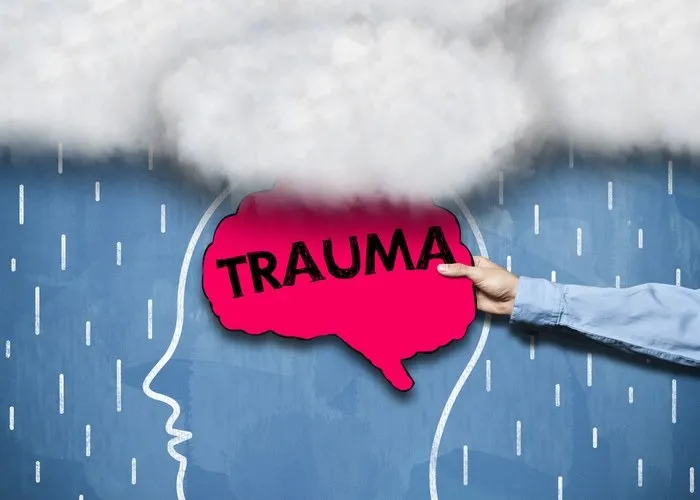
As the new year approaches, many people hope for a fresh start. But for trauma survivors, this shift can stir up emotions.
For children and adults with ADHD, the shift back into daily routines after the holidays can feel especially tough.
If you and your partner feel tense or distant after holiday spending, you are not alone. Financial stress is one of the most common sources of conflict.
Between family gatherings, time around friends, and the expectations of this time of year, couples often feel pulled in different directions.



.jpg)
.jpg)