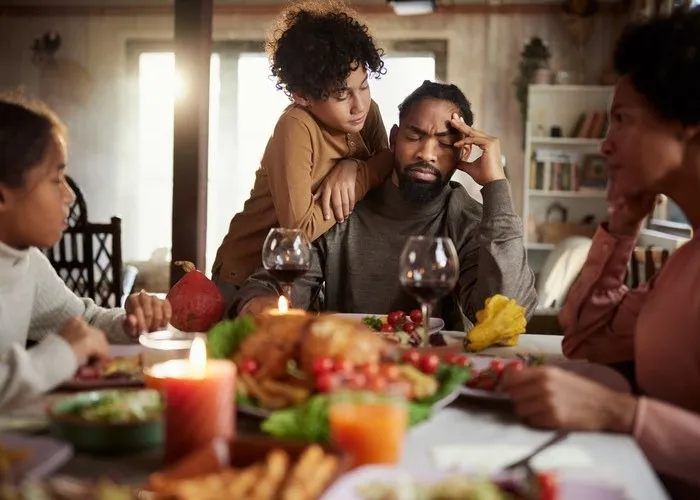
Between family gatherings, time around friends, and the expectations of this time of year, couples often feel pulled in different directions.
This season often asks more of your nervous system than it can comfortably give. Learn how to keep calm when you need it most.
When holiday break arrives, that structure disappears overnight. Kids enjoy the freedom at first, but after a day or two, you may notice emotional outbursts.
Why New Year’s Eve Can Feel Especially Tough in Recovery New Year’s Eve carries excitement, celebration, and high energy across Metro Atlanta. From ...
Post holiday burnout is a normal physiological and emotional response. When you spend time resting, your nervous system shifts out of “go mode.”
Blended families thrive on clarity, especially when multiple households are trying to create meaningful time with the people they love.
If you’re hosting and want your home or venue to feel welcoming for children on the spectrum and folks with sensory processing disorders.
Here is a therapist-designed toolkit for managing holiday money & emotions—so you can move through the next few weeks as stress free as real life allows.
If you’re wondering how to approach Thanksgiving after a loss, here are practical ways to make space for grief during family gatherings.
Here is a therapist-guided roadmap for co-parenting during the holidays that centers kids first while honoring both households.
Let your holiday season reflect the life you’re choosing connection over pressure,, and a clear, steady commitment to stay sober.
Each November, communities mark International Survivors of Suicide Loss Day— so people affected by suicide can gather & remember.